
Stop Managing Labor. Start Managing Maintenance Performance.
Array's workforce performance system for maintenance operations, skilled mechanics, industrial maintenance staffing, and maintenance workforce management.
Most maintenance operations are losing wrench-time productivity they can't measure.
Array connects individual performance to real maintenance data—so you can control output per technician, not just labor hours on the job card.
Maintenance & Mechanics Productivity—Measured and Proven
108%+
Mechanic task productivity increase at a major transportation operator—from 1.2 to 2.5 tasks per hour—through Array's Identify–Amplify–Coordinate system (Array / Lyft Engagement)
584,000
Annual skilled trade openings in 12 critical occupations—replacement demand that generic staffing consistently fails to fill (McKinsey via Array 2026 Analysis)
15M+
Curated frontline talent profiles including skilled mechanics, maintenance technicians, and industrial service workers — Array Platform
4,000+
Clients served by Array across maintenance, mechanics, and industrial operations — Array Platform
Built for Maintenance & Mechanics Environments

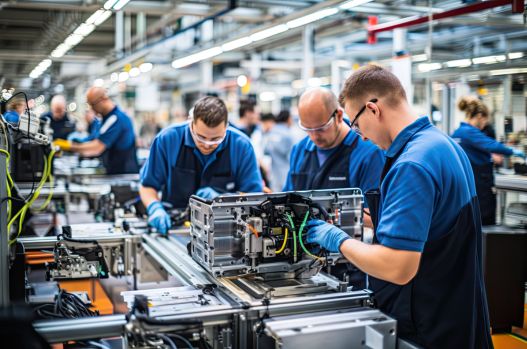
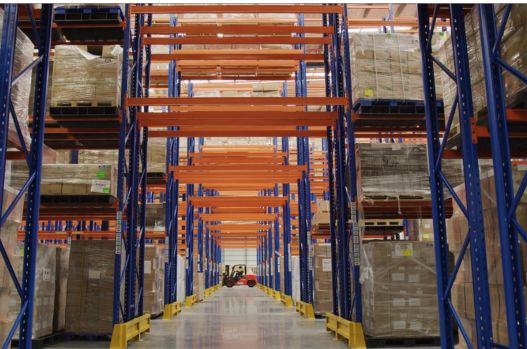
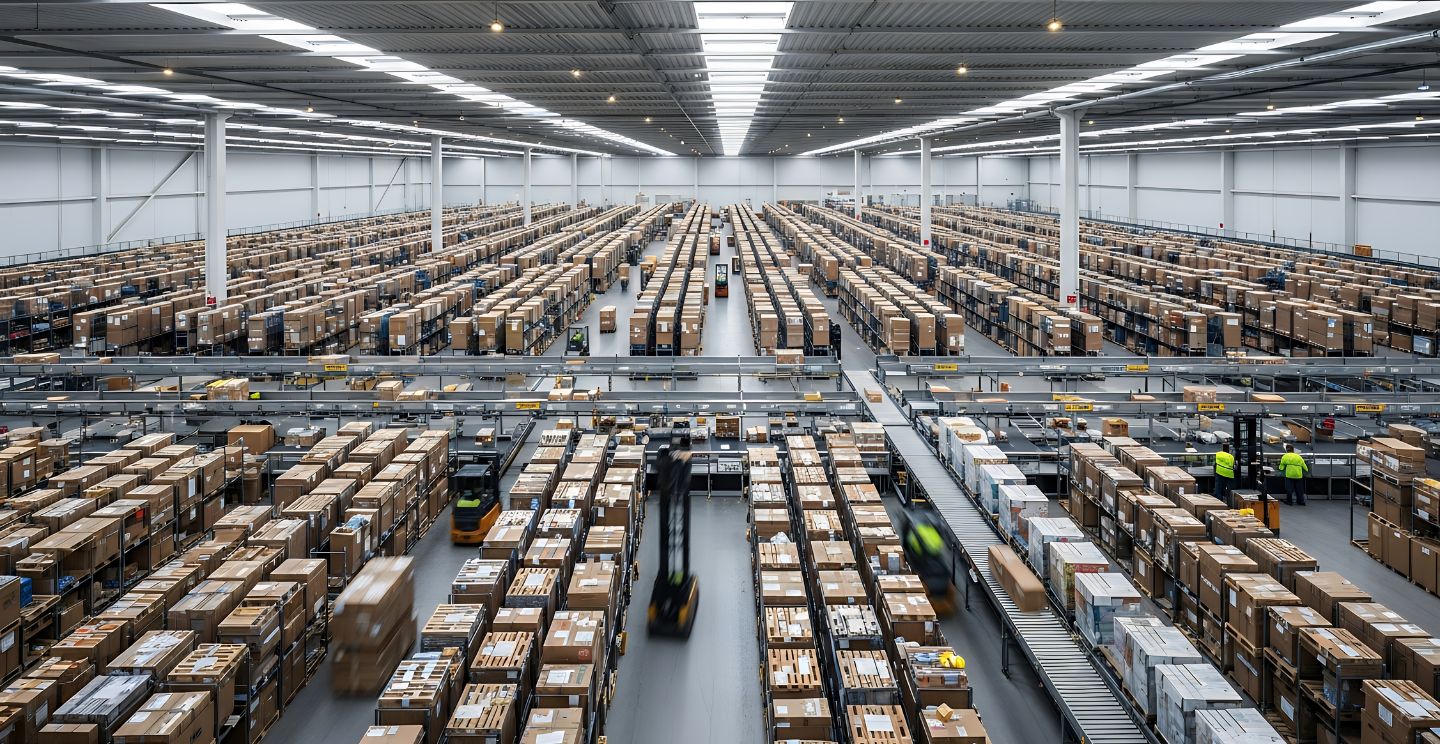
If You're Running a Maintenance Operation, You're Likely Dealing With This
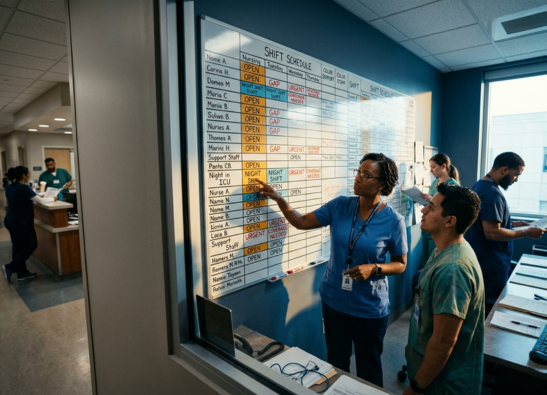
 Work orders completed per shift vary dramatically—and you don't know why
- Some mechanics complete 2x the work orders of others in the same shift, but you can't quantify it
- Maintenance supervisors spend time managing inconsistency instead of planning PM schedules
- Labor costs rise without corresponding improvements in equipment uptime
- Skilled mechanics are increasingly hard to find as the trade workforce ages out
This isn't a staffing problem. It's a visibility problem.
Maintenance Operations Run on a False Assumption
Maintenance Operations Run on a False Assumption
You're managing labor as if certified equals productive.
Certification isn't output—and that gap is costing you every work order.

The Assumption
You hire certified mechanics →
Certified mechanics maintain equipment

The Reality
Work orders completed per shift varies dramatically by individual
Same certification ≠ same productivity
Variability is hidden inside your maintenance team

The Consequence
Equipment downtime exceeds planned maintenance windows
PM schedules fall behind reactively
Overtime to compensate for underperformance
The Real Problem: You Can't See Worker-Level Work Order Output
You track every asset's maintenance status—but not the individual throughput of the technicians servicing them.
Optimized for:
Equipment availability and uptime
Preventive maintenance completion rates
Mean time to repair (MTTR)
But not for:

Individual technician work order throughput
Worker-level productivity variance
Shift-by-shift performance accountability
Result:

There is no clear link between individual effort and maintenance output—so performance can't be controlled.
If you can't measure it, you can't improve it.
A New System for Maintenance & Mechanics Performance
A New System for Maintenance & Mechanics Performance
Array gives you visibility and control over worker-level maintenance output.
We don't supply labor. We build performance systems.

Talent
Precision-fit mechanics selected for work order throughput potential

Technology
Real-time work completion and performance data by technician

Operations
On-site coordination tied to PM schedules and equipment uptime targets
Work orders completed—not certifications held—become the unit of management.
How We Drive Maintenance & Mechanics Performance

Identify
Find High-Throughput Maintenance Talent
We identify individuals with the highest work order throughput potential using behavioral data and precision-fit assessment built for maintenance and industrial environments.

Amplify
Increase Work Orders Completed Per Shift
We align incentives, real-time feedback, and coaching to drive measurable improvements in work orders completed per technician, per shift—rewarding output, not just certifications.

Coordinate
Ensure Predictable Maintenance Execution
We orchestrate scheduling, workflows, and on-site management to eliminate the variability that causes equipment downtime, PM backlogs, and unplanned overtime.
Technology That Actually Changes Outcomes
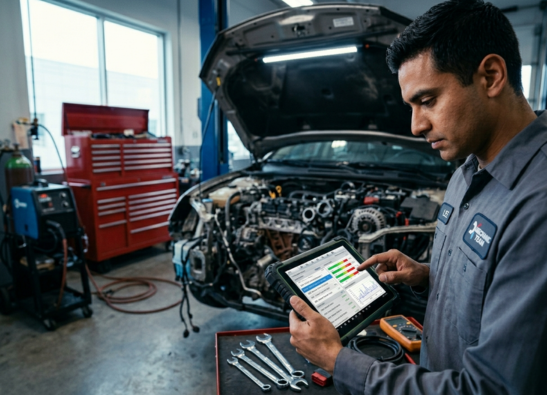
Most systems track equipment status. Array improves the people servicing it.
- Real-time maintenance output visibility by technician and shift
- Individual tracking across preventive, corrective, and emergency work orders
- Dynamic goals and performance-based rewards
- Integrated workforce management from hire to maintenance floor
Technology amplifies people—it doesn’t replace them.
Why Traditional Approaches Fall Short
Approach | Limitation | Array |
|---|---|---|
Skilled trades staffing agency | Supplies credentials, not work order throughput | Controls talent + system + execution |
CMMS / maintenance software | Tracks equipment, not technician output | |
Internal maintenance team | Lacks real-time individual performance visibility |
Maintenance & Mechanics Performance Is a System Problem
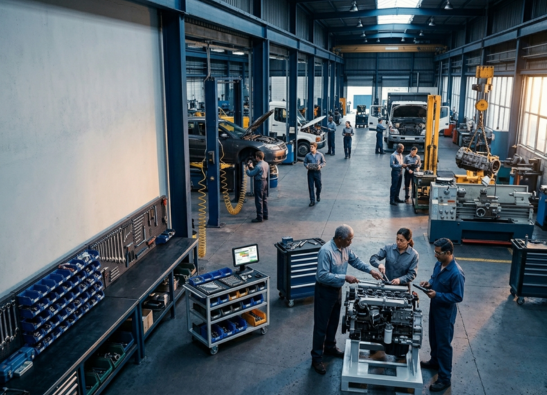
When you connect technician → shift → work orders completed,
You gain control over maintenance output.
Until then, you're managing downtime—not results.
Common Questions About Maintenance & Mechanics Workforce Management
It means connecting individual technician performance to real maintenance data—work orders completed per shift, mean time to repair, PM completion rates—so operators can see and improve output at the mechanic level. Array's system sources high-throughput talent, aligns incentives to measurable maintenance outcomes, and coordinates on-site execution against live PM schedules and uptime targets.
See What Your Maintenance Operation Is Actually Producing
Get a clear view of work order output variability and performance opportunity across your maintenance and mechanics operation.